The amazon affiliate vs influencer split is about where your content lives: Amazon Associates monetizes links on a site, app or post you own, while the Amazon Influencer Program gives you an Amazon-hosted storefront and shoppable videos.

Why the Associates vs Influencer difference decides where your commissions come from
Both programs pay you a share of Amazon sales. What changes is the ground the shopper is standing on when they tap. Associates pushes people from your page to Amazon; the Influencer Program puts your picks and your face on Amazon’s own pages.
That one difference sets your approval path, your content formats, and how much of the audience you keep after the sale.
Key takeaways
- Amazon Associates pays for traffic you send from property you own; the Influencer Program pays for shopping that happens inside Amazon-hosted content.
- Amazon only reviews a new Associates application after the account has driven at least three qualified sales within the first 180 days of signup, and personal orders do not count, according to Amazon’s Associates Central help pages.
- Amazon itself can surface an influencer’s shoppable photos and videos on product detail pages, search results and the homepage, according to About Amazon.
- Choose by the content you already make: written comparisons point to Associates, on-camera demos point to the Influencer Program.
Example: a creator with a busy TikTok account and no website sits in a completely different position than a blogger with a long archive of written reviews and no camera presence. The first one has social proof but no owned page to hang links on. The second has pages but nothing to film.
Distribution cost is the honest way to pick. Associates earnings scale with traffic you already command or can rank for; influencer earnings scale with how much of Amazon’s own shopper traffic your videos get placed in front of.
How Amazon Associates works: links you place on property you own
Associates is the link program. You get a tracking ID, build product links, and earn a fee when a referred shopper buys inside the tracking window.
The Associates Program is designed to monetize properties you own or control — a website, social media user-generated content, an app or an Alexa skill — rather than a page hosted on Amazon, according to Amazon’s Associates Program Operating Agreement. Ownership is the character of the whole program. Your blog, your newsletter, your video description.
Amazon’s stated content bar for Associates sites is robust original content, with a rule of thumb of at least 10 posts, according to Amazon’s Associates Central help pages. Pages that are nothing but link lists get rejected. Buying guides with real photos, test notes and a stated opinion get through.
Approval is conditional, not instant. Amazon only reviews a new Associates application after the account has driven at least three qualified sales within the first 180 days of signup, and personal orders do not count, according to Amazon’s Associates Central help pages. That last clause trips up beginners every month, which is why the rules on buying through your own affiliate links are worth reading before you place an order to test your tag.
Day to day, the work is unglamorous: pick keywords with buying intent, publish comparisons, insert links with SiteStripe or a plugin, disclose the relationship clearly, and check for broken or out-of-stock links. Nobody at Amazon promotes your post for you. You are the distribution.
How the Amazon Influencer Program works: a storefront and shoppable content hosted on Amazon
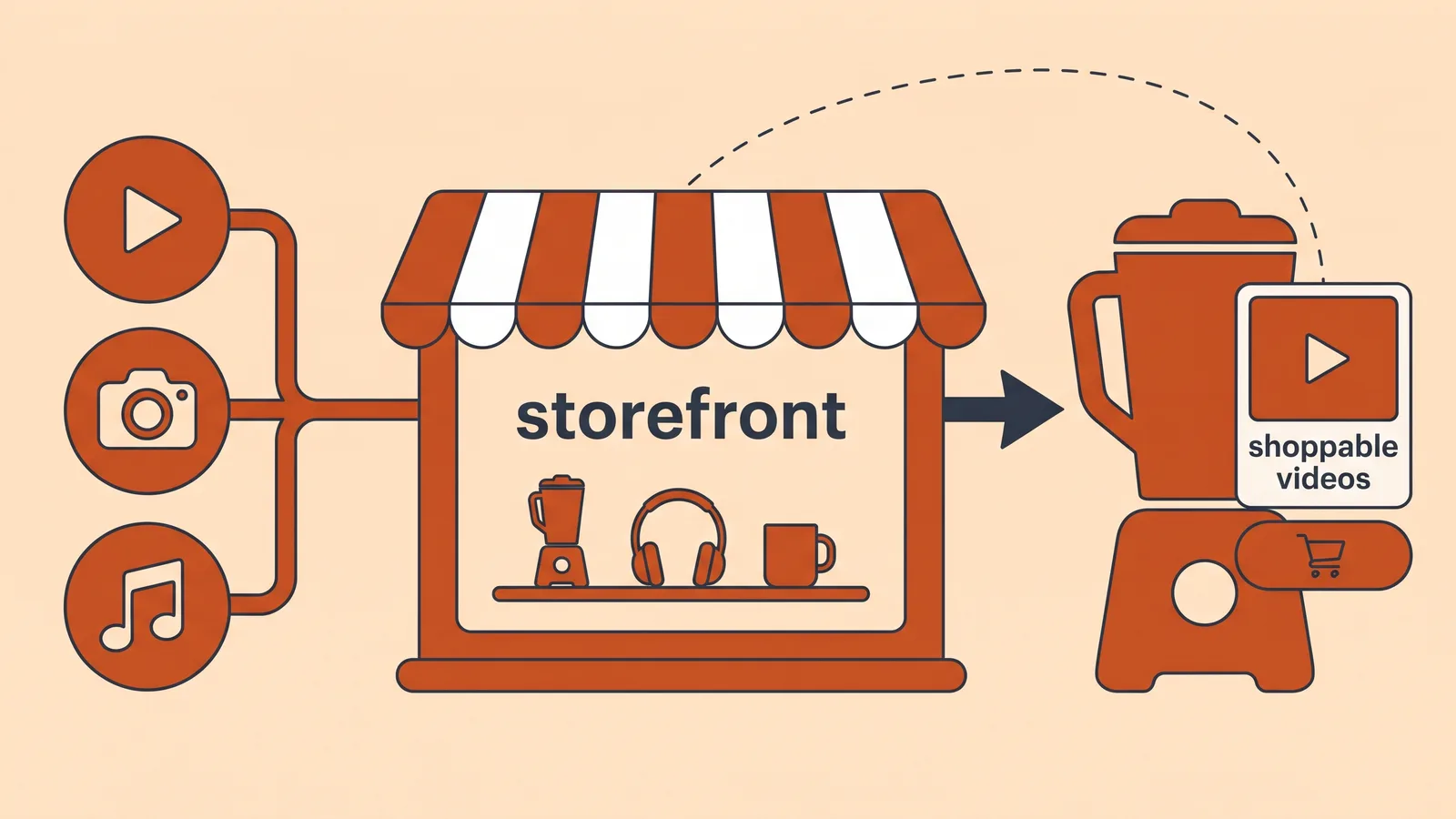
The Influencer Program gives you an address on Amazon. A storefront page holds your idea lists and recommendations, and your shoppable videos attach to specific products.
Amazon requires influencer applicants to connect a qualifying YouTube, Instagram, TikTok, Facebook or Pinterest account, according to Amazon’s program information page — a social-account gate the Associates program does not impose. Your audience is the application. If you want the specifics of that review, see what Amazon checks before approving an influencer application.
Unlike Associates links, an influencer’s shoppable photos and videos can be surfaced by Amazon itself on product detail pages, search results and the homepage, according to About Amazon. That is the structural advantage. A 45-second clip of you using a blender can sit beside the Buy Box of that blender, earning from shoppers who never heard of you.
The Amazon Influencer Program is open in more than 20 countries, including the US, UK, Germany, Canada, India, Japan and Brazil, according to About Amazon.
The trade-off is control. You do not own the page, the traffic, or the email address of the buyer, and Amazon decides where your clips appear. Setting the page up is straightforward — a walkthrough of building the storefront itself covers the layout and idea lists.
Real examples: creator storefronts, Amazon Live, and the retailers copying the model
Approved Amazon influencers earn through three channels that Associates do not get — a storefront, onsite shoppable videos on product pages, and Amazon Live streams, according to Neal Schaffer’s guide to the Amazon Influencer Program. Associates, by contrast, has one channel: the link you place yourself.
The model is spreading beyond Amazon. Walmart and Target have followed Amazon into creator storefronts, investing heavily in creator-driven commerce experiences, according to LoudCrowd’s Amazon Influencer Program guide. That matters for your planning, because footage shot for an Amazon storefront is rarely wasted on a competing retailer program.
The link side is still the bigger market. Shopify’s commerce blog reports that Amazon’s affiliate programme accounts for close to half of the affiliate network market.
Example: a cast-iron cookware blogger with 80 published seasoning and skillet comparisons adds a camera. The written archive keeps running on Associates links; the new clips get attached to the exact skillet ASINs. Same products, two separate revenue surfaces.
If you want to see how established creators structure their pages, studying how to find influencers on Amazon and open their storefronts is faster than guessing at a layout.
Amazon Associates vs Amazon Influencer Program: side-by-side comparison
The two programs share a fee structure, so the percentage is not usually the deciding factor. The fixed standard Associates commission rate for Luxury Beauty, Luxury Stores Beauty and Amazon Explore is 10.00%, the top fixed category rate in Amazon’s US table, according to Amazon’s Associates Central commission income statement.
| Amazon Associates | Amazon Influencer Program | |
|---|---|---|
| Where your content lives | A site, app, Alexa skill or social post you own or control | A storefront page and shoppable videos hosted on Amazon |
| Entry gate | Original content, rule of thumb of at least 10 posts | A connected qualifying YouTube, Instagram, TikTok, Facebook or Pinterest account |
| Who drives the traffic | You, through search, email and social | You and Amazon, which can place your clips on product pages |
| Primary formats | Buying guides, comparison posts, roundups, link blocks | Idea lists, onsite shoppable videos, Amazon Live streams |
| What you keep | The audience, the email list, the page equity | The content performance data Amazon shows you |
Read the table as a question about inputs, not outputs. If your strongest asset is ranked written pages, the first column is where the work already pays. If your strongest asset is a camera-ready personality and a social following, the second column turns that into placement you could never buy.
Common misconceptions about being an Amazon affiliate vs an Amazon influencer
"The Influencer Program pays a higher commission." It draws on the same Associates category rates. The advantage is placement and format, not a bigger percentage.
"You have to choose one." Plenty of creators hold both. The influencer storefront handles video; the Associates tag handles the blog, the newsletter and the pin.
"A storefront replaces a website." It does not. You cannot capture an email address on an Amazon page, you cannot sell a non-Amazon product there, and search equity accrues to Amazon.
"The link keeps paying for weeks." Amazon affiliate links carry a 24-hour cookie window, so the referred shopper’s purchase must happen within that day for the commission to be credited, according to Voluum’s Amazon affiliate program guide. That is why buying-intent content converts and brand-awareness content does not.
"Influencer approval is just a follower count." Amazon weighs the account you connect and the quality of what you post there, and rejected applicants can keep publishing and reapply later.
FAQ: Amazon affiliate vs influencer
Can you run both programs at the same time? Yes, and most working creators do. The written archive earns through Associates links while the video library earns through the storefront and onsite placements.
Does a storefront link behave like a normal affiliate link? It sends traffic to an Amazon page rather than a product, so it suits bios and video descriptions. Product-specific links still convert better inside a buying guide.
Which one starts earning faster? Influencer earnings depend on Amazon placing your clips where shoppers already are. Associates earnings depend on traffic you can send today. Pick the one whose input you actually control this month.
What happens to your links if an application is rejected? Any links you placed stop crediting fees, so pause publishing new ones until the account status is resolved and fix the content gap first.
Bottom line: which program fits the content you already make
Look at your last ten pieces of content. If they are written comparisons, specs tables and roundups, Associates monetizes them tonight. If they are demos, unboxings and how-to clips, the Influencer Program turns that same footage into placement on product pages you do not control.
The honest sequencing for a new creator: build the asset that gets you through a gate. A writer needs original posts before Amazon will even review the Associates application. A video creator needs an active social account before the influencer application goes anywhere.
Run both once you qualify. Keep your disclosures visible in every place a link appears, and treat the storefront as an extension of your brand rather than a replacement for a site you own.
Program terms and commission rates change; this is general information, not legal or financial advice, so check Amazon’s current operating agreement before you build around any rule here.
Frequently asked questions
Is the Amazon Influencer Program easier to get approved for than Amazon Associates?
They test different things. Amazon’s stated content bar for Associates sites is robust original content, with a rule of thumb of at least 10 posts, according to Amazon’s Associates Central help pages, while the influencer route is judged on the social account you connect at application. A writer finds Associates easier; a video creator finds the opposite.
Do Amazon affiliates and Amazon influencers earn different commission rates?
Both draw on the same standard Associates category table. The fixed standard rate for Luxury Beauty, Luxury Stores Beauty and Amazon Explore is 10.00%, the top fixed category rate in Amazon’s US table, according to Amazon’s Associates Central commission income statement. Your program choice changes where sales come from, not the percentage attached to a category.
How long does an Amazon affiliate link keep paying after someone clicks it?
Amazon affiliate links carry a 24-hour cookie window, so the referred shopper’s purchase must happen within that day for the commission to be credited, according to Voluum’s Amazon affiliate program guide. Content that catches people at the moment of decision — comparisons, deal posts, specific model reviews — beats awareness content under that constraint.
Is the Amazon Influencer Program available outside the United States?
Yes. The Amazon Influencer Program is open in more than 20 countries, including the US, UK, Germany, Canada, India, Japan and Brazil, according to About Amazon. Your storefront is tied to the marketplace you apply in, so creators with international audiences usually need separate accounts per marketplace.
Can I post my Amazon storefront link on TikTok or Pinterest?
Usually yes, but each platform sets its own rules on commercial links and disclosure, and those rules change independently of Amazon’s terms. Check the current policy on the platform before you post, label the content as paid or affiliate, and keep the disclosure visible without a tap.
Sources
- Amazon.com Associates Central — What is the application review process?
- Amazon.com Associates Central — Associates Program Operating Agreement
- Amazon.com Associates Central — Associates Program Standard Commission Income Statement
- What is the Amazon Influencer Program? Your questions answered. — About Amazon
- Amazon Influencer and Associate Programs — Amazon.com
- Is the Amazon Affiliate Program Still Profitable in 2025? Complete Guide — Voluum
- How Does the Amazon Influencer Program Work? Your Ultimate Guide — Neal Schaffer
- Amazon Influencer Program: Everything You Need to Know — LoudCrowd
- Amazon Affiliate Program: Complete Earning Guide for 2026 — Shopify
Written with AI assistance and fact-checked against the sources cited above before the Amazon Affiliate Editorial Team published it.